Minimum CIBIL Score Required for Credit Card in India (2026 Guide)
Before applying for a card, many people want to know the minimum cibil score for credit card in india so they can understand their approval chances.
Banks use credit scores as a quick indicator of financial discipline, but there is no single universal number that guarantees approval.
Understanding how credit scores influence credit card eligibility can help you make smarter financial decisions and avoid unnecessary application rejections.
What Is a CIBIL Score?
A CIBIL score is a three-digit number between 300 and 900 that reflects your credit history. It is calculated using your repayment behaviour, credit utilisation, and borrowing patterns.
Credit reports in India are maintained by agencies, which collect data from banks and financial institutions.
Before applying for a credit card, it is advisable to review your credit profile first. You can follow this step-by-step guide on how to check CIBIL score for free in India to understand your current eligibility.
Minimum CIBIL Score for Credit Card in India – What Banks Expect
Most banks prefer applicants with a credit score above 700 for standard credit cards. Premium cards often require scores closer to 750 or higher.
Entry-level cards may still be approved for scores between 650 and 700, depending on income stability and existing financial obligations.
This is where many applicants get confused. They assume crossing a certain score automatically guarantees approval, but lenders evaluate multiple risk factors.
Credit Score Ranges and Approval Chances
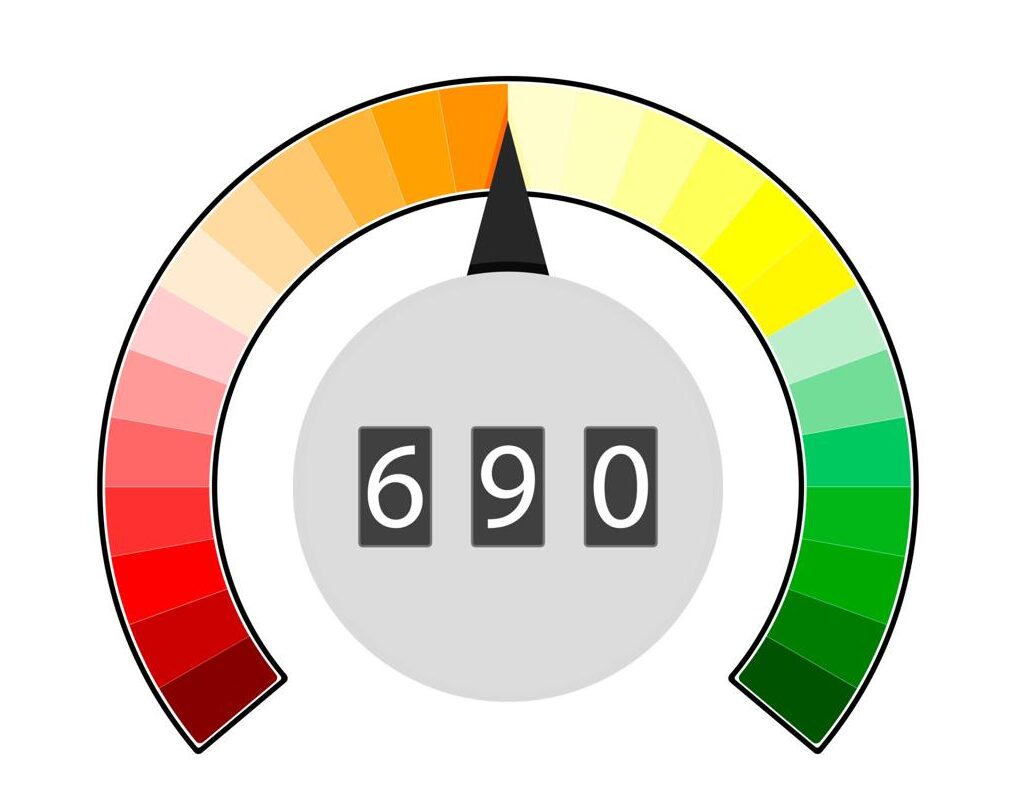
- 750 and above: High approval probability and better card offers
- 700–749: Good chances for most standard cards
- 650–699: Limited approval options
- Below 650: Higher rejection risk
These ranges are general guidelines and may vary between banks.
If your recent application has already been declined, you may find this helpful: credit card rejected due to low CIBIL score in India.
Is There a Fixed Minimum CIBIL Score for Credit Card in India?
One of the most common misconceptions among applicants is that there is a single fixed minimum CIBIL score for credit card approval in India. In reality, banks do not follow a universal number.
Different lenders set their own eligibility rules based on risk assessment models. While a score above 700 is generally considered safe, approval decisions depend on multiple factors beyond the minimum CIBIL score requirement.
Credit score is only one part of the approval process. Banks also evaluate income, employment stability, and repayment capacity as explained in our article on credit card eligibility in India.
This is where many applicants get confused. They focus only on crossing a certain score threshold without evaluating their overall credit profile.
How Banks Evaluate Credit Card Applications in India
When you apply for a credit card, banks review your full credit report instead of looking only at the minimum CIBIL score for credit card eligibility.
They typically assess:
- Repayment history over the past 24 months
- Total outstanding loan amounts
- Credit card utilisation ratio
- Number of recent credit enquiries
- Employment stability and monthly income
Even if your score meets the minimum CIBIL score requirement, high debt or frequent loan applications can reduce approval chances.
Why Some Applicants With 750 Score Still Get Rejected
In practical lending situations, applicants with strong credit scores sometimes face rejection. This happens because lenders rely on internal risk scoring systems that go beyond standard credit bureau data.
For example, a person with a score of 760 but with multiple recent loan enquiries may be seen as credit-hungry. Similarly, high credit card utilisation can signal financial pressure despite a good score.
Many applicants unknowingly reduce their credit score due to avoidable financial habits. Understanding these errors in advance can help. Read our guide on credit card mistakes in India.
Understanding these factors helps applicants prepare better before applying.
Entry-Level Credit Cards for Lower Credit Scores
If your credit score is below the preferred minimum CIBIL score for credit card approval, applying for entry-level cards can improve your chances.
These cards typically have:
- Lower income requirements
- Basic reward structures
- Smaller credit limits
Using such cards responsibly can gradually strengthen your credit profile.
Secured Credit Cards as an Alternative
Secured credit cards issued against fixed deposits are often available even when your score is below the usual minimum CIBIL score for credit card eligibility.
Since the bank holds collateral, approval risk is reduced. Over time, timely repayments help rebuild trust and improve future eligibility.
How Long It Takes to Improve Credit Score for Card Approval
Improving your credit score is a gradual process. Consistent repayments, controlled utilisation, and reduced loan enquiries typically show positive impact within three to six months.
Applicants should avoid frequent reapplications during this period, as multiple hard enquiries may further affect approval chances.
Practical Tip: Apply Strategically Instead of Frequently
Instead of applying to multiple banks simultaneously, choose a card that matches your income level and credit profile. Strategic applications aligned with the minimum CIBIL score for credit card approval criteria often lead to better results.
Why Credit Card Applications Get Rejected Even With Good Scores
Sometimes applicants with decent credit scores still face rejection. This happens because banks also review:
- Monthly income and employment stability
- Existing loan EMIs
- Credit card utilisation ratio
- Recent loan or card enquiries
For example, a score of 720 combined with high outstanding debt may still trigger a decline decision.
Importance of Checking Your Credit Report
Before applying for a new credit card, reviewing your full credit report helps identify issues that could affect approval.
If you are unsure how to access your score, you can refer to our guide on checking your CIBIL score online.
How to Improve Your CIBIL Score Before Applying
If your score is below the preferred range, taking corrective steps can improve your eligibility over time.
- Pay all EMIs and credit card bills on time
- Reduce outstanding balances
- Avoid multiple credit applications
- Maintain older credit accounts responsibly
Consistent financial discipline gradually increases your creditworthiness.
If your score is below the preferred range, improving it should be your first priority. These practical steps are explained in our guide on how to improve CIBIL score in India.
Can You Get a Credit Card With Low CIBIL Score?
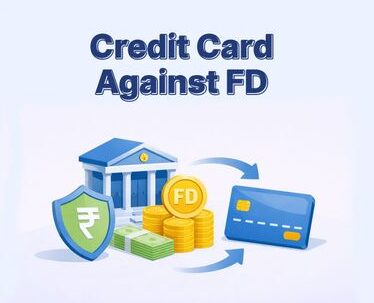
Yes, but options may be limited. Some banks offer secured credit cards against fixed deposits. These cards help rebuild credit history and improve future approval chances.
Choosing entry-level products instead of premium cards also improves approval probability.
How Long Should You Wait Before Applying Again?
If your application was recently rejected due to credit score concerns, it is advisable to wait at least two to three months before reapplying.
This waiting period allows time for credit profile improvements to reflect in your credit report.
Practical Insight: Score Is Only One Part of Eligibility
In real approval scenarios, lenders combine credit score data with internal risk models. Even small changes in repayment behaviour or utilisation can significantly affect the outcome.
Focusing on overall financial stability often produces better results than trying to increase the score quickly.
Frequently Asked Questions
What is the minimum CIBIL score required for a credit card?
Most banks prefer a score above 700, though entry-level cards may be approved for slightly lower scores depending on income and credit behaviour.
Can I get a credit card with a score below 650?
Approval is difficult but possible through secured credit cards or basic card variants.
Does checking my CIBIL score affect approval chances?
No. Checking your own credit score is considered a soft enquiry and does not impact eligibility.
Conclusion
Your CIBIL score plays an important role in credit card approval decisions, but it is not the only factor lenders consider. Maintaining responsible repayment habits, controlling credit utilisation, and applying for suitable card types can significantly improve your chances.
Understanding these factors helps you approach credit applications with better preparation and confidence.