Your CIBIL score plays a crucial role in your financial life. Whether you are applying for a credit card, personal loan, home loan, or even a bike loan, your approval largely depends on this three-digit number.
Many people in India struggle with a low CIBIL score without fully understanding why it dropped or how to improve it. The good news is that improving your CIBIL score is completely possible if you follow the right steps consistently.
This step-by-step guide explains how to improve CIBIL score in India in a practical, beginner-friendly way.
Instead of applying randomly for new cards, it is better to choose options that match your income level. You can refer to our list of best credit card for ₹30,000 salary in India to avoid unnecessary rejections.
What Is CIBIL Score and Why It Matters
CIBIL score is a numerical representation of your creditworthiness. It ranges from 300 to 900 and is calculated based on your credit history, repayment behaviour, and overall credit usage.
Banks and NBFCs use this score to judge how risky it is to lend money to you. A higher score indicates responsible credit behaviour, while a low score signals potential risk.
In India, credit scores are maintained by credit bureaus, the most popular being TransUnion CIBIL.
What Is a Good CIBIL Score in India?
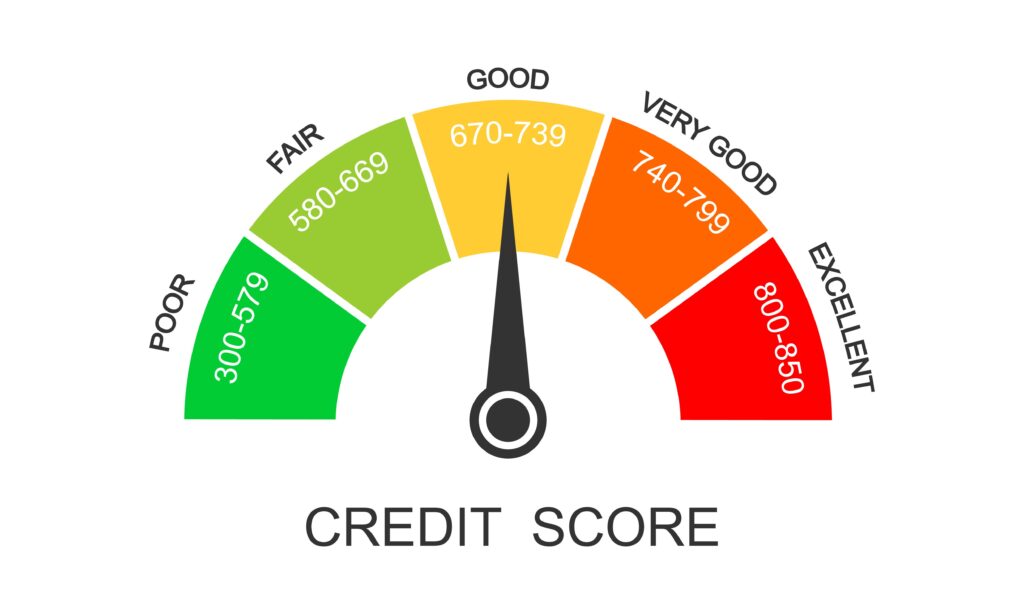
Not all CIBIL scores are treated equally. Here’s how lenders usually view them:
- 750–900: Excellent – easy approval at lower interest rates
- 700–749: Good – approval likely
- 650–699: Average – limited options
- Below 650: Poor – high chance of rejection
A higher CIBIL score also helps you qualify for better credit cards with fewer rejections. If you are new to credit, you can explore suitable options in our guide on best credit cards for beginners in India.
Common Reasons for Low CIBIL Score
/image
Before learning how to improve your CIBIL score, it’s important to understand why it drops in the first place.
- Late or missed EMI and credit card payments
- High credit card utilization
- Multiple loan or card applications in a short time
- Defaulted or written-off loans
- Errors in credit report
In many cases, a low credit score is the result of repeated usage errors that people don’t even realize they are making. These issues are explained in detail in our article on credit card mistakes in India.
How to Improve CIBIL Score in India (Step-by-Step)
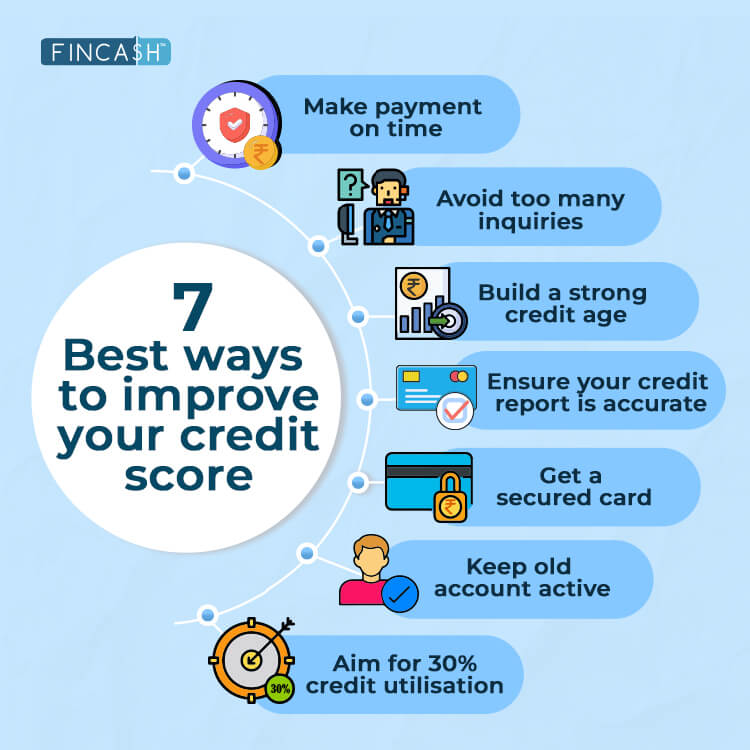
Improving your CIBIL score requires patience and discipline. Follow these steps consistently to see positive results.
1. Pay EMIs and Credit Card Bills on Time
Payment history is the most important factor affecting your CIBIL score. Even a single delayed payment can hurt your score significantly.
Set auto-debit instructions or reminders to ensure you never miss a due date.
2. Keep Credit Utilization Below 30%
If your credit card limit is ₹1,00,000, try not to use more than ₹30,000 regularly. High utilization signals financial stress and lowers your score.
3. Avoid Multiple Credit Applications
Every loan or credit card application triggers a hard enquiry. Too many enquiries in a short period negatively impact your score.
4. Check Your CIBIL Report for Errors
Sometimes your CIBIL score is low due to incorrect information like closed loans showing as active or wrong payment status.
Check your credit report regularly and raise a dispute if you find any errors.
5. Maintain Old Credit Accounts
The length of your credit history matters. Avoid closing old credit cards unless absolutely necessary.
How Long Does It Take to Improve CIBIL Score?
This is one of the most common questions people ask. The timeline depends on how poor your current score is and what caused the drop.
- Minor issues: 2–3 months
- Late payments: 4–6 months
- Defaults or settlements: 12+ months
Consistency is key. Quick fixes don’t work for credit scores.
How to Check CIBIL Score for Free in India
Many people believe that checking their CIBIL score reduces it, which is completely false. In reality, checking your own credit score is a soft enquiry and has no impact on your score.
You can check your CIBIL score for free once a year directly through official credit bureau platforms or through bank and financial apps that offer free credit score access.
When checking your CIBIL report, always review these details carefully:
- Personal information (name, PAN, address)
- Loan and credit card accounts
- Payment history and overdue amounts
- Active and closed credit accounts
- Recent credit enquiries
Errors in any of these sections can pull your score down unfairly, so checking your report regularly is an important step in improving your CIBIL score.
What to Do If There Are Errors in Your CIBIL Report
Credit report errors are more common than people think. Sometimes a loan you closed years ago may still show as active, or a payment may be marked late even though it was paid on time.
If you find any incorrect information, you should raise a dispute immediately with the credit bureau.
The dispute process usually works like this:
- Identify the incorrect entry in your credit report
- Submit a dispute request with supporting details
- The lender verifies the information
- Corrections are updated if the error is confirmed
This process may take a few weeks, but once corrected, your CIBIL score can improve noticeably.
Does Closing Credit Cards Improve CIBIL Score?
This is one of the most misunderstood topics related to credit scores. Many people think closing unused credit cards will automatically improve their CIBIL score.
In reality, closing old credit cards can sometimes reduce your score because it lowers your total available credit and shortens your credit history.
Instead of closing cards, consider these smarter options:
- Keep old cards active with minimal usage
- Avoid closing your oldest credit account
- Close only those cards with high fees and no benefits
A long and healthy credit history helps build trust with lenders.
Impact of Loan Settlements on CIBIL Score
Loan settlement is often seen as an easy way out during financial difficulty, but it can severely damage your CIBIL score.
When a loan is settled, it means you paid less than the total amount due. While this may give temporary relief, it leaves a negative mark on your credit report.
Settled loans remain visible on your credit report for years and can reduce your chances of future loan approvals.
Whenever possible, aim to fully close loans instead of settling them.
How Credit Mix Affects Your CIBIL Score
Your credit mix refers to the combination of secured loans (like home or car loans) and unsecured loans (like personal loans and credit cards).
A balanced credit mix indicates responsible borrowing behaviour.
- Only credit cards: Moderate risk
- Only personal loans: Higher risk
- Mix of loans and cards: Healthy profile
However, you should never take unnecessary loans just to improve your credit mix. Focus on managing existing credit well.
Can Salary Alone Improve Your CIBIL Score?
Many salaried employees assume that a higher salary automatically leads to a better CIBIL score. This is a myth.
Your CIBIL score is based on how you manage credit, not how much you earn.
A person earning ₹25,000 per month with disciplined credit habits can have a better score than someone earning ₹1 lakh with poor repayment behaviour.
Salary helps in loan eligibility, but credit behaviour decides your score.
Sometimes loan applications get rejected even when credit score looks acceptable. One common reason is unstable job profile or recent job change. If you recently switched jobs, understand lender expectations in our detailed guide on personal loan rejected due to short employment history and how waiting period can improve approval chances.
Should You Take a Loan to Improve CIBIL Score?
Some people consider taking a small loan just to improve their credit score. This strategy can work, but only if done carefully.
If you already have a credit card and active loans, taking an additional loan is unnecessary.
However, for first-time borrowers with no credit history, a small and manageable credit product can help build a score over time.
The key is timely repayment and low credit usage.
Red Flags That Hurt Your CIBIL Score Silently
Some credit behaviours hurt your score slowly, without immediate warning.
- Paying only minimum due every month
- Repeatedly overdrawing accounts
- Ignoring small outstanding balances
- Becoming guarantor without repayment clarity
Avoiding these habits is just as important as paying EMIs on time.
Long-Term Habits That Keep CIBIL Score Healthy
Improving your CIBIL score is not a one-time task. It requires long-term financial discipline.
- Track bills and EMIs regularly
- Review credit report at least once a year
- Plan credit usage around your budget
- Avoid emotional or impulsive borrowing
When you treat credit as a financial responsibility rather than free money, maintaining a good CIBIL score becomes easy.
CIBIL Score Tips for Salaried Employees
Salaried employees often assume their stable income guarantees loan approvals, but that’s not always true.
- Align EMIs with your monthly budget
- Avoid lifestyle spending on credit
- Don’t max out credit cards before salary day
Planning your expenses properly helps maintain a healthy credit profile. Our article on monthly budget in India explains how to do this effectively.
CIBIL Score Myths You Should Ignore
There are many myths around CIBIL scores that cause unnecessary panic.
- Checking your own score does NOT reduce it
- Income alone does NOT improve score
- Closing cards does NOT automatically boost score
Understanding facts instead of myths helps you take better financial decisions.
Mistakes That Reduce Your CIBIL Score
Even financially aware people make mistakes that slowly damage their credit score.
- Paying only minimum due on credit cards
- Ignoring small overdue amounts
- Co-signing loans without understanding risk
Most credit score problems are linked to broader money mismanagement habits. We have covered these common errors in our guide on personal finance mistakes in India.
Frequently Asked Questions
How can I improve my CIBIL score fast in India?
Pay all dues on time, reduce credit usage, and avoid new applications.
Does checking CIBIL score reduce it?
No, checking your own score is a soft enquiry and has no impact.
What is the minimum CIBIL score for credit cards?
Most banks prefer a score of 700+, but 750+ gives better options.
Can a low CIBIL score be fixed?
Yes, with disciplined repayment and time, scores can improve.
Conclusion
Improving your CIBIL score in India is not complicated, but it does require consistency and smart credit habits.
Your credit score is a reflection of how responsibly you handle borrowed money. By paying on time, using credit wisely, and avoiding common mistakes, you can steadily move towards a strong credit profile.
Building and maintaining a good CIBIL score is part of developing smart money habits early in life. This is especially important if you are learning how to manage money in your 20s in India.
A good CIBIL score opens doors to better financial opportunities, lower interest rates, and long-term financial stability.