Credit Card Eligibility in India Explained (Salary, CIBIL, Age)
Credit card rejections in India are rarely random. In most cases, the reason is already visible inside the bank’s internal eligibility checks — even when the rejection message simply says “application declined”.
I have seen thousands of rejected credit card applications across banks and NBFCs. The real reasons often differ from what customers assume. This guide explains how eligibility actually works in India, why cards get rejected, and what you can realistically do after rejection.
How Credit Card Eligibility Really Works in India
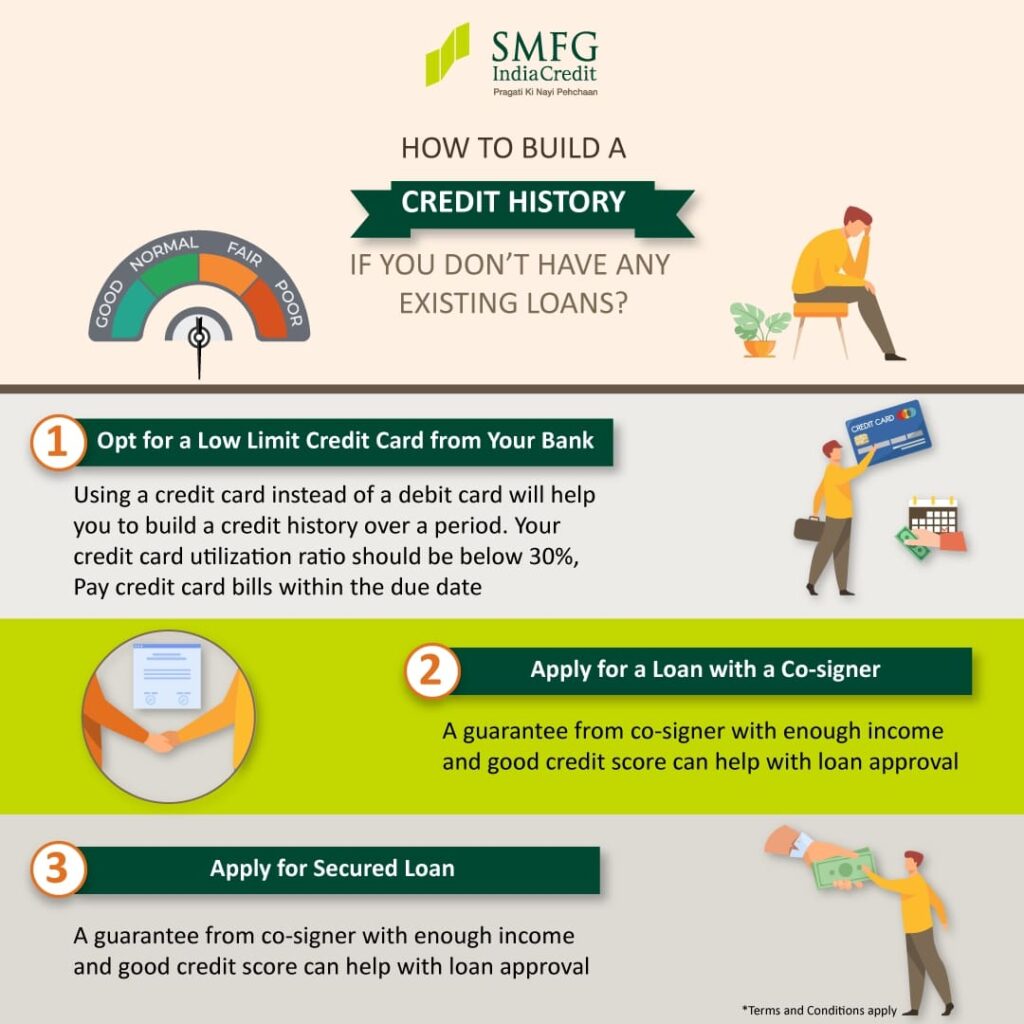
Indian banks do not rely on a single factor like salary or CIBIL score. Eligibility is assessed using a layered system that combines bureau data, internal risk rules, and past behaviour.
Most decisions are automated, but the rules are set by risk teams and approved under regulatory frameworks.
Eligibility is broadly evaluated on four pillars:
- Credit score and repayment history
- Income stability and profile
- Existing credit exposure
- Internal bank-specific rules
Minimum Eligibility Criteria Banks Actually Use
1. Age Criteria
Most banks approve cards only for applicants between 21 and 60 years. Students and first-time earners below this range are usually rejected unless applying for entry-level cards.
2. Salary and Income Stability
Salary is not just about amount. Banks check consistency. Frequent job changes, gaps in salary credit, or variable income increase rejection risk.
Even applicants earning well can be rejected if salary credits are irregular.
3. CIBIL Score and Credit Behaviour
A score below 650 almost always leads to rejection. But even scores above 750 can be rejected if repayment behaviour shows stress.
Banks look closely at:
- Late payments in last 12 months
- Settled or written-off accounts
- High credit utilisation
If your application was rejected due to credit history issues, the most effective first step is fixing your score. We have explained this in detail in our guide on how to improve CIBIL score in India.
Why Credit Card Applications Get Rejected in India
Based on real rejection cases, these are the most common reasons:
- Recent late payments, even if score looks decent
- Too many credit enquiries in short time
- Existing loans consuming large part of income
- Mismatch between declared and bureau income profile
- Employer or industry flagged as high risk internally
Many applicants think rejection means “low score”, but in reality, internal risk rules play a bigger role.
Many rejections happen due to avoidable habits like late payments or overuse of credit. These issues are discussed in detail in our article on credit card mistakes in India.
When Credit Card Rejection Is Valid
From a bank’s perspective, rejection is valid when:
- You have active defaults or settlements
- Credit utilisation is consistently above safe limits
- Income does not support additional credit
- Recent borrowing indicates financial stress
In such cases, reapplying immediately almost always leads to another rejection.
When Credit Card Rejection Can Be Challenged
Not all rejections are final or correct.
Rejection can be challenged when:
- Your credit report has factual errors
- Closed loans still appear as active
- Late payment is incorrectly reported
- You already hold a healthy relationship with the same bank
Banks rarely admit this openly, but corrections can and do lead to approvals later.
Practical Insight #1: Banks Remember Past Behaviour
One reality applicants discover only after rejection is that banks remember behaviour beyond what CIBIL shows.
If you previously:
- Overused a card and paid minimum dues
- Requested repeated credit limit increases
- Delayed payments internally (even if later regularised)
That history stays in internal systems and affects future eligibility.
Practical Insight #2: Rejection Cooling Period Is Real
After a rejection, most banks apply an internal “cooling period” of 3 to 6 months.
Reapplying during this period — even with another bank — often leads to rejection because recent enquiries signal desperation for credit.
How Banks Internally Classify Credit Card Applicants
One detail applicants rarely know is that banks internally classify credit card applicants into risk categories. These categories are not visible on rejection messages but heavily influence approval decisions.
Typical internal classifications include:
- Low risk – stable income, clean repayment history
- Medium risk – acceptable score but past inconsistencies
- High risk – recent stress signals or unstable credit behaviour
Once an applicant is tagged as medium or high risk, approvals become difficult even if the CIBIL score looks good on paper.
Why Salary Alone Does Not Guarantee Eligibility
A common misunderstanding in India is that earning a higher salary automatically qualifies someone for a credit card. In real decision systems, salary is only one supporting factor.
This is where most applicants get confused. They assume a higher salary automatically means approval, but banks focus more on repayment capacity than income alone.
Banks focus more on how much of that salary is already committed.
If a large portion of income is going towards EMIs, personal loans, or existing credit card dues, the bank sees limited repayment capacity.
This is why two applicants with the same salary can get completely different outcomes.
The Role of Employer and Industry Type
Another factor rarely discussed publicly is employer risk classification.
Banks internally maintain lists of industries and employer categories based on historical default data. Employees from certain sectors may face stricter eligibility checks.
This does not mean rejection is personal. It is purely a risk-based system built on past trends.
Applicants working in startups, contract roles, or newly formed companies often face higher scrutiny despite good income.
Why Frequent Job Changes Affect Credit Card Approval
From a bank’s perspective, frequent job changes increase uncertainty.
Even if salary increases with every switch, banks view short employment durations as instability.
Many rejections occur simply because the applicant has not completed enough time in the current job, even though this reason is never clearly communicated.
What Banks Mean by “Insufficient Credit History”
Applicants with no previous loans or credit cards often assume they are safe candidates. In reality, lack of credit history makes risk assessment difficult.
Banks prefer applicants with a short but clean credit record over those with no record at all.
This is why first-time earners often face rejection unless they apply for beginner-level or secured cards.
Why Repeated Rejections Make Future Approvals Harder
Every rejected application leaves a footprint.
Multiple rejections within a short period signal desperation for credit, which increases perceived risk.
Even if underlying eligibility improves, recent rejection patterns can delay approvals.
This is why patience is critical after a rejection.
What to Fix Before Applying Again
Before submitting a fresh credit card application, applicants should ensure the following:
- No overdue amounts on any loan or card
- Credit utilisation reduced to safer levels
- No new credit enquiries in recent months
- Stable income flow visible in bank statements
These corrections significantly improve approval chances.
Why Pre-Approved Offers Are Not Guaranteed
Many applicants are confused when a pre-approved offer still results in rejection.
Pre-approved offers are marketing triggers, not final approvals.
Final eligibility is always rechecked at the time of application, and any recent negative signal can override the offer.
Controlling expenses and planning EMIs properly makes a big difference. Creating a realistic plan, as explained in our monthly budget in India guide, helps stabilise your credit profile.
How Long You Should Wait Before Reapplying
Based on observed bank behaviour:
- Minor issues: wait at least 3 months
- Multiple rejections or high utilisation: wait 4–6 months
- Settlements or defaults: wait longer and rebuild profile first
Waiting is not wasted time. It allows your credit profile to stabilise.
Real Case Example
An IT professional with a salary above ₹60,000 applied for multiple cards within two months. His CIBIL score was above 760.
All applications were rejected.
Internally, the issue was not salary or score — it was six hard enquiries in eight weeks combined with high utilisation on one existing card.
After reducing utilisation and waiting four months, the next application was approved instantly.
What to Do After Credit Card Rejection (Step-by-Step)
- Do not reapply immediately
- Check full credit report for errors
- Reduce credit card utilisation
- Clear any overdue amounts fully
- Wait at least 3 months before next application
If rejection was due to error, raise correction first before applying again.
Choosing the Right Card After Rejection
After a rejection, always downgrade expectations.
- Apply for entry-level cards
- Avoid premium cards initially
- Prefer banks where salary account exists
This significantly improves approval chances.
After a rejection, it is safer to start with basic cards instead of premium ones. You can check suitable options in our guide on best credit cards for beginners in India.
Frequently Asked Questions
What is the minimum CIBIL score required for a credit card in India?
Most banks prefer a CIBIL score of 700 or above. However, approval also depends on repayment history, income stability, and existing credit exposure.
Can a salaried person with low CIBIL score get a credit card?
It is difficult but not impossible. Entry-level or secured credit cards may be available, but approval chances are limited until credit behaviour improves.
Why was my credit card application rejected despite good salary?
Salary alone does not determine eligibility. High EMIs, recent late payments, frequent credit enquiries, or internal bank risk rules can still lead to rejection.
How long should I wait before applying again after rejection?
In most cases, waiting at least 3 to 6 months is recommended. Applying sooner can reduce approval chances further.
Does checking my credit score reduce eligibility?
No. Checking your own credit score is a soft enquiry and does not affect eligibility or credit score.
Conclusion
Credit card eligibility in India is less about income alone and more about credit discipline.
Rejection does not mean permanent ineligibility. It means the bank currently sees risk. Fix the risk indicators, allow time, and apply strategically.
Understanding how banks actually assess eligibility helps you avoid repeated rejections and long-term damage to your credit profile.